HPLC vs GC-MS: Common Analytical Techniques Explained
HPLC vs GC-MS: Common Analytical Techniques Explained: When working with research chemicals, two of the most important analytical techniques are HPLC and GC-MS. Understanding the differences between them is crucial for researchers who need reliable purity testing and compound characterization.
This guide provides a clear comparison of HPLC vs GC-MS and explains when each technique is most appropriate for research chemical analysis.
What Is HPLC?
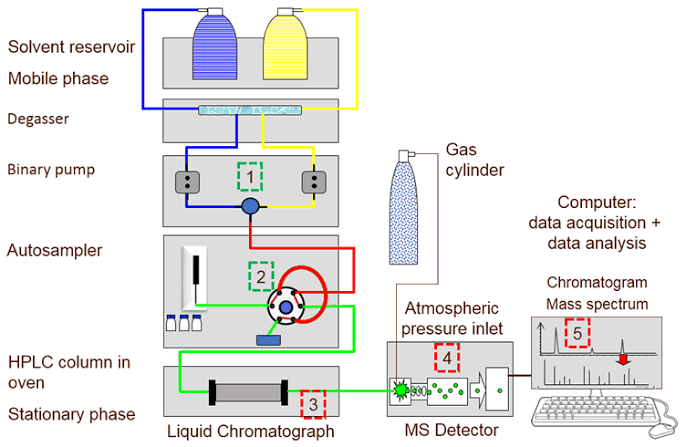
High-Performance Liquid Chromatography (HPLC) is a powerful separation technique that uses liquid solvents to carry samples through a column packed with solid particles. It is one of the most widely used methods for analyzing research chemicals.
HPLC excels at separating compounds based on their polarity and interaction with the stationary phase.
What Is GC-MS?
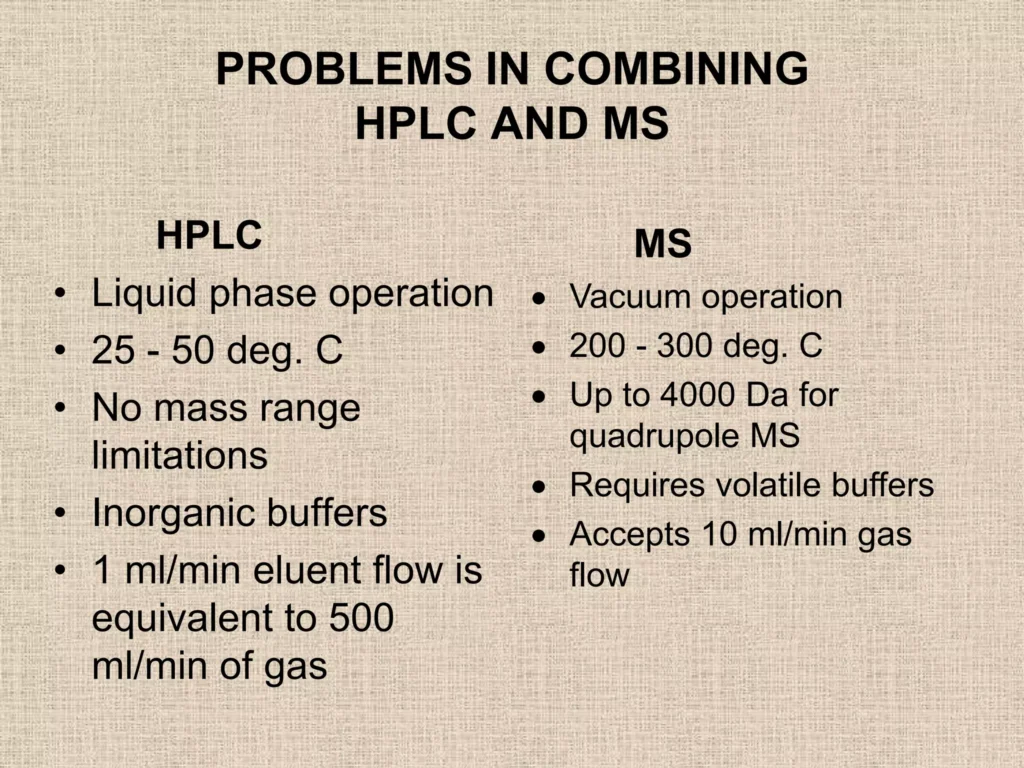
Gas Chromatography-Mass Spectrometry (GC-MS) combines gas chromatography separation with mass spectrometry detection. The sample is vaporized and carried through a column using an inert gas, then identified by its mass spectrum.
GC-MS is particularly strong for volatile and semi-volatile compounds.
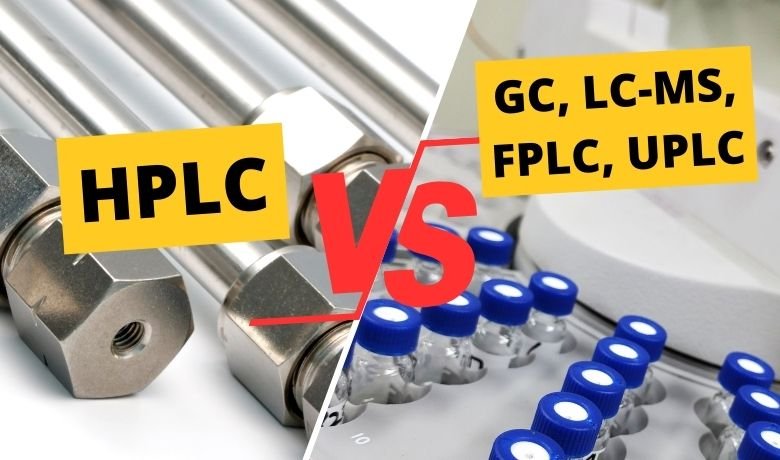
HPLC vs GC-MS: Key Differences
Here’s a direct comparison of HPLC vs GC-MS:
1. Sample State
- HPLC: Works with liquid samples and non-volatile compounds
- GC-MS: Requires volatile or semi-volatile compounds that can be vaporized
2. Temperature Requirements
- HPLC: Operates at room temperature or slightly elevated — gentler on heat-sensitive compounds
- GC-MS: Uses high temperatures — not suitable for thermally unstable molecules
3. Detection Capabilities
- HPLC: Excellent with UV, PDA, or mass detectors
- GC-MS: Provides detailed mass spectral data for compound identification
4. Speed and Resolution
- HPLC: Often faster for complex mixtures
- GC-MS: Superior for identifying unknown compounds through library matching
5. Common Use in Research Chemicals
- HPLC: Preferred for most tryptamines, cannabinoids, benzofurans, and polar compounds
- GC-MS: Frequently used for volatile dissociatives and smaller molecules
When to Use HPLC for Research Chemicals
Choose HPLC when analyzing:
- Non-volatile or thermally sensitive compounds
- High-purity verification of most research chemicals
- Polar molecules
- Large or complex structures
- Quantitative purity testing
HPLC is often the primary method listed on Certificates of Analysis for many research chemicals.
When to Use GC-MS for Research Chemicals
GC-MS is ideal for:
- Volatile and semi-volatile compounds
- Structural confirmation and impurity identification
- Forensic or analytical reference standards
- Smaller molecular weight substances
Many suppliers use both techniques together for comprehensive characterization.
Advantages of HPLC vs GC-MS
HPLC Advantages:
- Broader compound compatibility
- Gentler on sensitive molecules
- Excellent for quantitative analysis
- Versatile detectors
GC-MS Advantages:
- Powerful identification through mass spectra
- High sensitivity
- Good for complex mixture separation
- Established spectral libraries
Why Analytical Techniques Matter for Research Quality
Using the right method (or combination of HPLC vs GC-MS) ensures:
- Accurate purity determination
- Proper compound identification
- Reliable batch-to-batch consistency
- Stronger scientific data
This is why reputable suppliers like Vylix Labs invest in advanced analytical testing for all research chemicals.
Best Practices for Interpreting Analytical Data
When reviewing HPLC or GC-MS results:
- Check the purity percentage
- Understand the detection method used
- Review the impurity profile
- Verify the batch number matches your product
- Compare results across different techniques when possible
The Future of Analytical Techniques in Research Chemicals
Both HPLC and GC-MS continue to evolve with:
- Ultra-High Performance Liquid Chromatography (UHPLC)
- Advanced tandem MS systems (LC-MS/MS, GC-MS/MS)
- Improved automation and data analysis software
These advancements allow for even more precise characterization of research chemicals.
Conclusion: Choosing the Right Analytical Technique
Understanding HPLC vs GC-MS helps researchers interpret quality data and make informed decisions when sourcing research chemicals. Both techniques are valuable — the best laboratories often rely on a combination of methods for complete confidence in their materials.
At Vylix Labs, we use rigorous analytical testing (including HPLC and GC-MS where appropriate) to ensure every research chemical meets high purity standards.
Ready to explore our catalog? Browse high-purity research chemicals backed by detailed analytical documentation.
All products are sold strictly for research and laboratory use only. Not for human or animal consumption.
FAQ – HPLC vs GC-MS for Research Chemicals
Q1: What is the main difference between HPLC and GC-MS? HPLC uses liquid mobile phase and works well with non-volatile compounds, while GC-MS uses gas and is better for volatile compounds.
Q2: Which technique is better for purity testing research chemicals? HPLC is more commonly used for routine purity testing of most research chemicals, while GC-MS excels at compound identification.
Q3: Can both HPLC and GC-MS be used on the same compound? Yes. Many suppliers use a combination of both techniques for thorough characterization and verification.
Q4: Why is HPLC often preferred for tryptamines and cannabinoids? These compounds are often non-volatile or heat-sensitive, making HPLC gentler and more suitable.
Q5: What should I look for in a Certificate of Analysis? Look for the testing method used (HPLC or GC-MS), purity percentage, impurity profile, and batch number.
Q6: Where can I find research chemicals with detailed HPLC and GC-MS analysis? Vylix Labs provides high-purity research chemicals backed by comprehensive analytical documentation.