
NMR Spectroscopy: Understanding Molecular Structure
NMR Spectroscopy: Understanding Molecular Structure in Research Chemicals
NMR spectroscopy (Nuclear Magnetic Resonance) is one of the most powerful analytical techniques available to researchers working with research chemicals. It provides detailed information about the exact molecular structure, connectivity, and purity of compounds.
This comprehensive guide explains NMR spectroscopy and how it helps scientists understand molecular structure in research chemicals.
What Is NMR Spectroscopy?
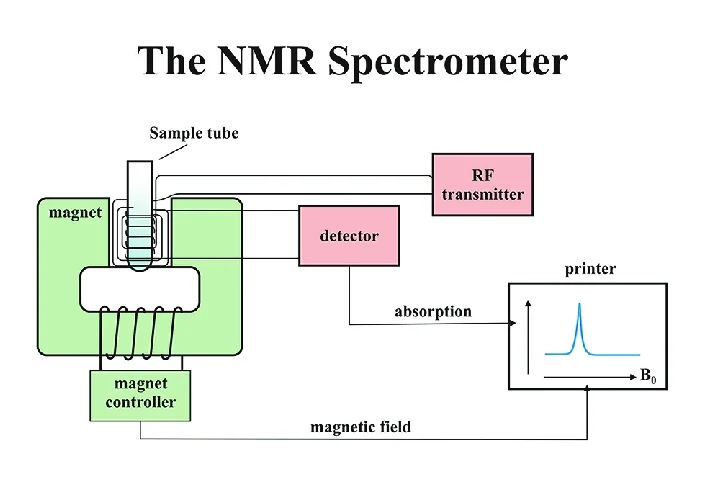
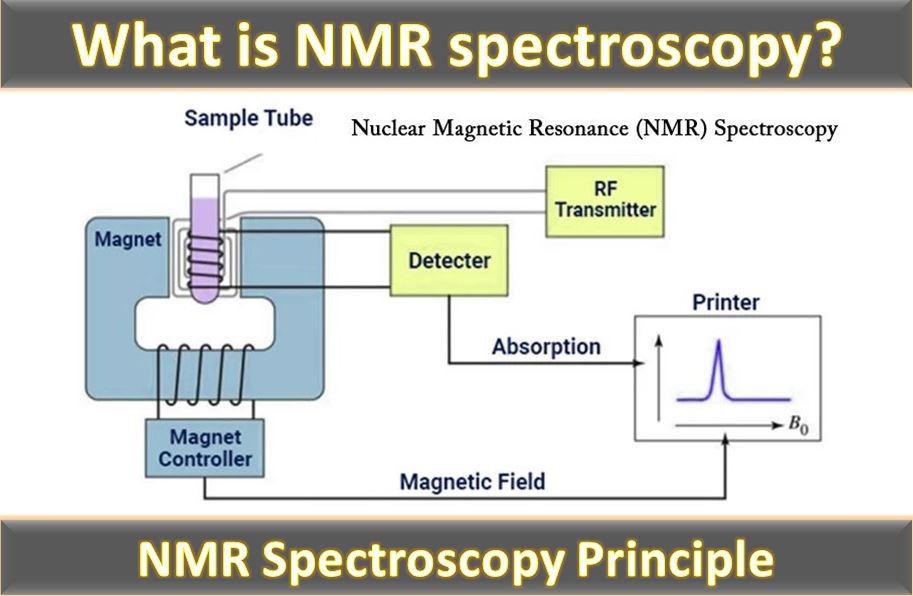
NMR spectroscopy is an analytical method that exploits the magnetic properties of certain atomic nuclei (primarily ¹H and ¹³C) to determine the physical and chemical properties of molecules.
When placed in a strong magnetic field and exposed to radiofrequency pulses, these nuclei absorb and re-emit energy at characteristic frequencies. The resulting spectrum reveals detailed structural information about the molecule.
Why NMR Spectroscopy Is Essential for Research Chemicals
In research chemical work, NMR spectroscopy is invaluable because it allows researchers to:
- Confirm the identity of synthesized or purchased compounds
- Verify molecular structure and substitution patterns
- Detect impurities and degradation products
- Assess purity quantitatively
- Study conformational dynamics and stereochemistry
No other single technique provides as much structural detail as NMR.
Basic Principles of NMR Spectroscopy
The technique relies on three key concepts:
- Chemical Shift — Position of peaks indicates the chemical environment of each nucleus.
- Integration — Peak area shows the relative number of protons.
- Splitting (J-coupling) — Pattern reveals neighboring atoms and connectivity.
Advanced 2D NMR techniques (COSY, HSQC, HMBC) provide even deeper structural insights.
How Researchers Use NMR for Research Chemicals
NMR spectroscopy is routinely applied to:
- Identity Confirmation — Compare experimental spectra with predicted or reference data
- Purity Assessment — Quantify the percentage of target compound vs. impurities
- Structural Elucidation — Determine exact position of functional groups in novel analogs
- Stability Studies — Monitor degradation over time under different storage conditions
For tryptamines, phenethylamines, cannabinoids, and other classes, NMR is often the gold standard for verification.
Interpreting NMR Spectra of Research Chemicals
Common features researchers look for:
- Characteristic indole or aromatic proton signals in tryptamines
- Methyl and methylene patterns in aliphatic chains
- Salt form indicators (e.g., shifts affected by protonation)
- Impurity peaks from solvents or synthesis byproducts
Proper interpretation requires experience and often comparison with reference spectra.
Advantages of NMR Spectroscopy
- Non-destructive (sample can be recovered)
- Highly specific structural information
- Quantitative capability
- Works in solution (relevant to biological conditions)
Limitations of NMR Spectroscopy
- Requires relatively pure samples for best results
- Lower sensitivity compared to mass spectrometry
- Expensive instrumentation and expertise needed
- Some nuclei (like ¹³C) require longer acquisition times
For these reasons, laboratories often combine NMR with HPLC, GC-MS, and other techniques.
NMR in Quality Control of Research Chemicals
Reputable suppliers like Vylix Labs use NMR spectroscopy as part of their quality control process to ensure:
- Correct molecular structure
- High purity levels
- Batch-to-batch consistency
- Absence of unexpected byproducts
This rigorous approach gives researchers confidence in the materials they receive.
Practical Tips for Researchers Using NMR
- Always request NMR data when available from suppliers
- Compare new batches against previous reference spectra
- Use appropriate deuterated solvents
- Consider both ¹H and ¹³C NMR for complete characterization
- Document all spectral data in research records

The Future of NMR in Research Chemical Analysis
Advances in:
- Higher field magnets (600–900 MHz+)
- Cryoprobe technology
- Automated data processing and AI-assisted interpretation
- Benchtop NMR systems
are making this powerful technique more accessible to more laboratories.
Conclusion: NMR Spectroscopy as a Cornerstone of Modern Research
NMR spectroscopy remains one of the most important tools for understanding molecular structure in research chemicals. Its ability to provide detailed, non-destructive structural information makes it indispensable for serious scientific work.
Vylix Labs support researchers by supplying high-purity compounds that are thoroughly characterized, often including NMR verification where appropriate.
Ready to advance your research with confidence? Browse our catalog of research chemicals backed by strong analytical documentation.
All products are sold strictly for research and laboratory use only. Not for human or animal consumption.
FAQ – NMR Spectroscopy for Research Chemicals
Q1: What is NMR spectroscopy used for in research chemicals? NMR is primarily used to confirm molecular structure, verify identity, assess purity, and detect impurities in research chemicals.
Q2: Why is NMR considered the gold standard for structural elucidation? It provides detailed information about atom connectivity, chemical environment, and stereochemistry that other techniques cannot match.
Q3: Do all research chemical suppliers provide NMR data? High-quality suppliers like Vylix Labs often include or can provide NMR spectra upon request for verification.
Q4: What is the difference between ¹H NMR and ¹³C NMR? ¹H NMR shows proton environments and is faster, while ¹³C NMR provides carbon skeleton information but requires longer acquisition times.
Q5: Can NMR determine the purity of a research chemical? Yes. NMR can quantitatively measure purity by comparing the integrals of target peaks versus impurity peaks.
Q6: Where can I find research chemicals with strong NMR characterization? Vylix Labs offers high-purity research chemicals supported by rigorous analytical testing, including NMR where applicable.