Research Chemicals vs Pharmaceutical Standards: What’s the Difference?
Research Chemicals vs Pharmaceutical Standards: What’s the Difference?
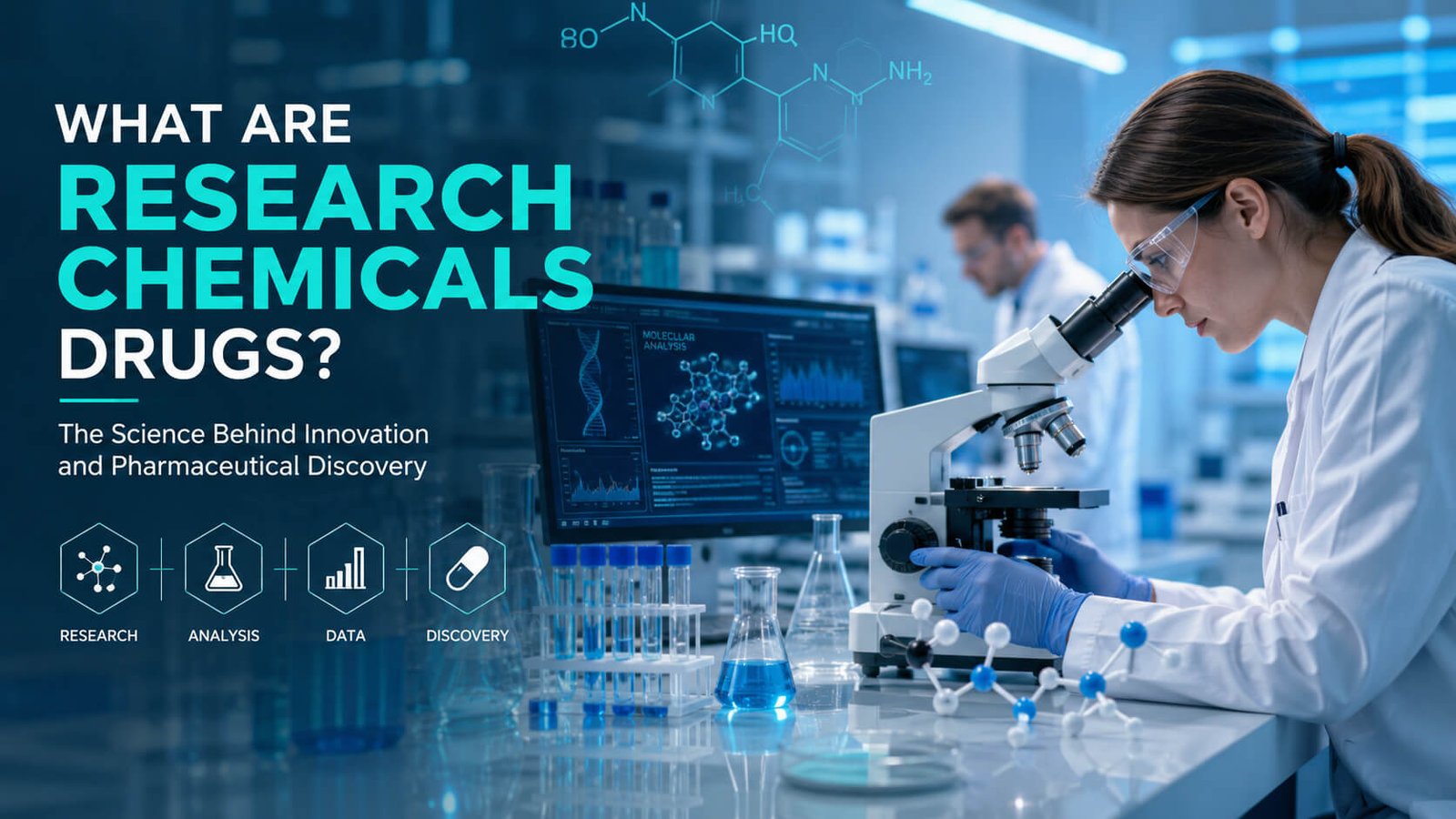
The terms research chemicals and pharmaceutical standards are often confused, yet they serve very different purposes in science and medicine. Understanding the clear differences between them is essential for researchers, laboratories, and institutions working with chemical compounds.
This comprehensive guide explores research chemicals vs pharmaceutical standards — their intended use, quality requirements, regulatory status, and why both play important but distinct roles in advancing knowledge.
What Are Research Chemicals?
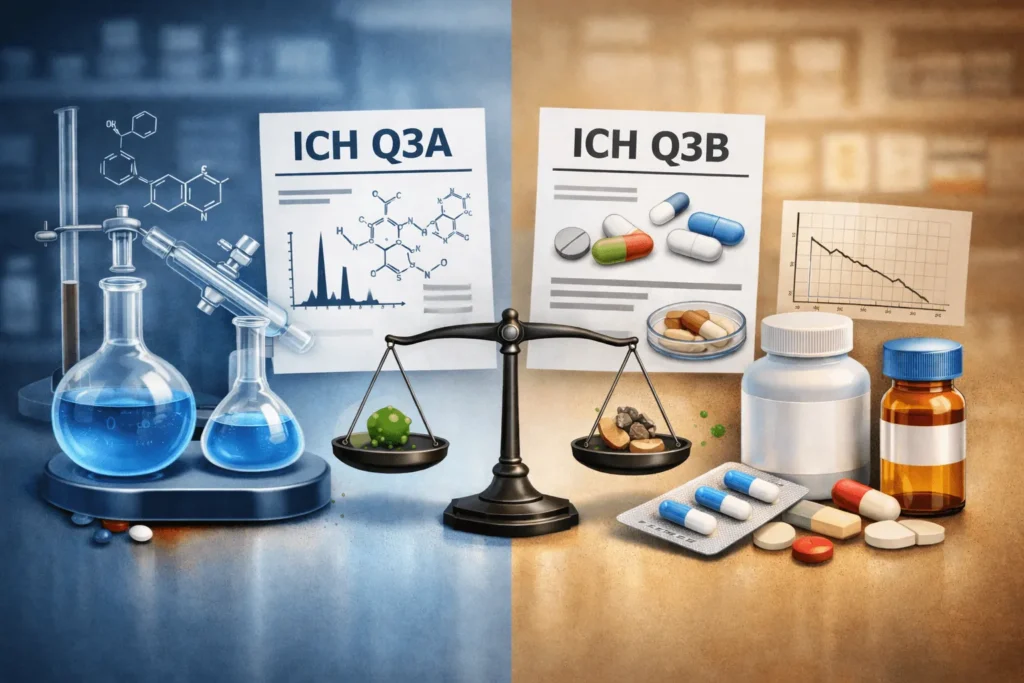
Research chemicals are novel or existing chemical compounds primarily synthesized and supplied for scientific investigation, analytical testing, and laboratory experimentation. They are explicitly sold for research purposes only and are not intended for human or veterinary consumption.
Key characteristics of research chemicals:
- Often novel analogs or derivatives
- High purity but optimized for lab use
- Not approved for medical treatment
- Flexible availability for scientific exploration
What Are Pharmaceutical Standards?
Pharmaceutical standards (also called reference standards or API standards) are highly regulated compounds used in the development, manufacturing, and quality control of approved medicines. These undergo extensive clinical trials, rigorous regulatory review, and must meet strict pharmacopeial standards (USP, EP, JP, etc.).
Research Chemicals vs Pharmaceutical Standards: Core Differences
1. Intended Purpose
- Research Chemicals: Strictly for laboratory research, analytical method development, and scientific discovery.
- Pharmaceutical Standards: For drug manufacturing, clinical use, and quality assurance of approved medications.
2. Regulatory Status
- Research Chemicals: Operate in a legal gray area — not FDA/EMA approved for human use.
- Pharmaceutical Standards: Heavily regulated with full clinical data and marketing authorization.
3. Purity Requirements
- Research Chemicals: Typically ≥98–99.5% purity, verified by HPLC, GC-MS, etc.
- Pharmaceutical Standards: Often ≥99.5–99.9% with extremely tight impurity limits.
4. Availability
- Research Chemicals: More flexible and faster to access for novel compounds.
- Pharmaceutical Standards: Strictly controlled and limited to licensed manufacturers.
5. Documentation
- Research Chemicals: Provided with Certificate of Analysis (COA) focused on identity and purity.
- Pharmaceutical Standards: Extensive dossiers including full toxicology, stability, and clinical data.

Why Researchers Choose Research Chemicals
research chemicals vs pharmaceutical grade: Laboratories prefer research chemicals because they allow:
- Exploration of novel chemical space
- Faster access to new analogs
- Cost-effective tool for preliminary studies
- Greater flexibility in experimental design
This makes research chemicals indispensable for early-stage discovery and academic research.
When Pharmaceutical Standards Are Required
Pharmaceutical-grade materials are necessary when:
- Developing or validating drug manufacturing processes
- Conducting GLP/GMP-compliant studies
- Performing certain regulatory submissions
- Creating reference standards for clinical diagnostics
Quality Comparison: Research Chemicals vs Pharmaceutical Standards
While pharmaceutical standards have stricter overall requirements, well-sourced research chemicals from reputable suppliers like Vylix Labs can achieve comparable purity levels for most laboratory applications. The key difference lies in the level of regulatory documentation and clinical validation rather than basic chemical quality.
Legal and Ethical Considerations
It is critical to understand the difference between research chemicals and pharmaceuticals and that research chemicals must never be used as substitutes for pharmaceutical products. Responsible researchers always maintain clear boundaries between research use and any potential human consumption.
Choosing the Right Material for Your Needs
When deciding between research chemicals and pharmaceutical standards, ask yourself:
- Is this for exploratory research or regulated development?
- What purity and documentation level do I actually need?
- What is my budget and timeline?
- Does my institution have specific compliance requirements?
Vylix Labs specializes in supplying high-quality research chemicals optimized for laboratory use, with transparent analytical documentation.
The Future of Research Chemicals and Pharmaceutical Development
Research chemicals often serve as the starting point for future pharmaceutical development. Many approved drugs began their journey as research chemicals in academic or early-stage labs.
This pipeline highlights the complementary relationship between the two categories.
Best Practices When Working with Research Chemicals
- Always verify supplier reputation and analytical data
- Maintain detailed records of material sources
- Use appropriate safety protocols
- Document the exact batch and salt form used
- Stay updated on legal status in your jurisdiction
Conclusion: difference between research chemicals and pharmaceuticals
The distinction between research chemicals vs pharmaceutical standards is fundamental to ethical and effective scientific practice. Research chemicals provide the flexibility and innovation needed for discovery, while pharmaceutical standards ensure safety and consistency in approved medicines.
At Vylix Labs, we are proud to support the research community by providing high-purity research chemicals with clear documentation, helping scientists push the boundaries of knowledge responsibly.
Ready to advance your research? Browse our catalog of high-quality research chemicals today.
All products are sold strictly for research and laboratory use only. Not for human or animal consumption.