Understanding Chemical Purity in Scientific Research
Understanding Chemical Purity in Scientific Research: Chemical purity is one of the most critical factors in successful scientific research. Whether conducting pharmacological studies, analytical testing, or synthetic chemistry experiments, the purity level of your materials directly impacts the reliability, reproducibility, and validity of your results.
In this comprehensive guide, we explore chemical purity in scientific research, why it matters, how it is measured, and what researchers should look for when sourcing high purity research chemicals.
What Is Chemical Purity?
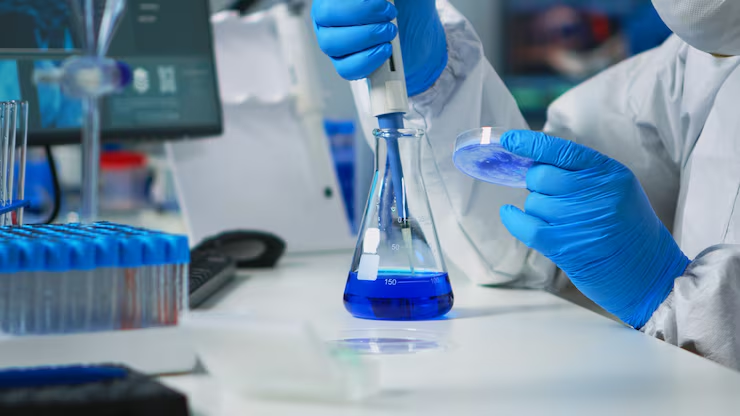
Chemical purity refers to the percentage of a specific compound in a sample compared to impurities or other substances. A 99% pure research chemical means that 99% of the material consists of the desired molecule, while the remaining 1% consists of byproducts, solvents, or related compounds.
In laboratory settings, even small variations in Chemical purity can lead to significant differences in experimental outcomes. This is especially true in sensitive fields such as neuropharmacology, receptor binding assays, and analytical method development.
Why High Purity Research Chemicals Matter
The importance of purity of research chemicals cannot be overstated. Here’s why laboratories prioritize purity:
- Reproducibility — High purity ensures that experiments can be repeated with consistent results across different batches and institutions.
- Data Accuracy — Impurities can interfere with analytical instruments, produce false signals, or alter biological activity in unpredictable ways.
- Safety in the Lab — Unknown impurities may introduce additional hazards or toxicological variables.
- Regulatory Compliance — Many research institutions and grant bodies require documentation of material purity for published work.
- Cost Efficiency — Using lower purity materials often leads to wasted time, reagents, and repeated experiments.
For these reasons, serious researchers consistently seek suppliers offering high purity research chemicals (typically 98% or above).
How Chemical Purity Is Measured
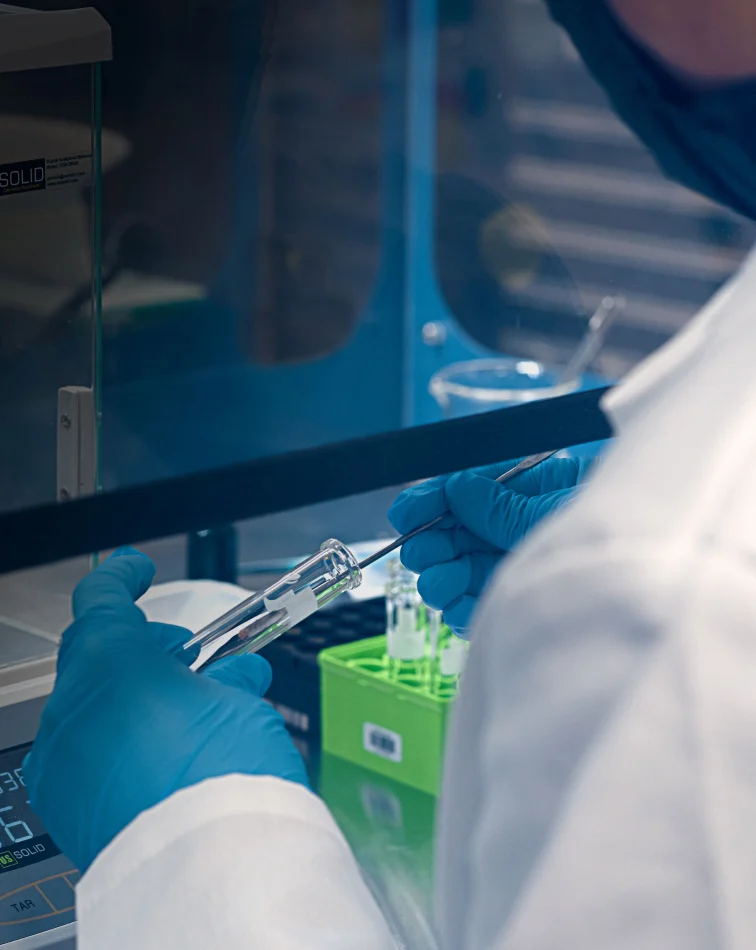
Several analytical techniques are used to determine chemical purity in scientific research:
- High-Performance Liquid Chromatography (HPLC) — The gold standard for most organic research chemicals.
- Gas Chromatography (GC) — Commonly used for volatile compounds.
- Nuclear Magnetic Resonance (NMR) Spectroscopy — Provides detailed structural information and purity assessment.
- Mass Spectrometry (MS) — Often coupled with chromatography for precise identification of impurities.
- Melting Point Analysis — A simple but useful indicator for crystalline compounds.
Reputable suppliers like Vylix Labs provide Certificates of Analysis (CoA) that include results from these methods for each batch of research chemicals.
Common Purity Levels in Research Chemicals
- ≥98% — Standard for most laboratory research chemicals
- ≥99% — Preferred for sensitive analytical and pharmacological studies
- ≥99.5% — Ultra-high purity required for advanced research or reference standards
When searching for high purity research chemicals, always check the exact specification listed for each compound rather than assuming a general standard.
Factors That Affect Chemical Purity
Several variables can impact the final research chemicals purity standards:
- Synthesis route and reaction conditions
- Purification methods (recrystallization, distillation, chromatography)
- Storage conditions (temperature, humidity, light exposure)
- Handling and packaging practices
Professional suppliers maintain strict quality control throughout the entire process — from synthesis to final packaging — to preserve chemical purity in scientific research.
Choosing a Trusted Supplier for High Purity Research Chemicals
Not all vendors maintain the same standards. When evaluating suppliers for your laboratory, consider the following:
- Transparent purity documentation with up-to-date CoAs
- Clear specification of salt form (fumarate, hydrochloride, etc.)
- Consistent batch quality
- Professional handling and discreet, secure shipping
- Responsive technical support
Vylix Labs was founded specifically to address these needs, offering researchers reliable access to high purity research chemicals across multiple categories including tryptamines, phenethylamines, cannabinoids, benzofurans, and more.

Best Practices for Handling High Purity Research Chemicals
Once you receive your materials, proper handling is essential to maintain purity:
- Store according to recommended conditions (usually cool, dry, and dark)
- Use clean, inert tools and containers
- Minimize exposure to air and moisture
- Maintain detailed laboratory records
- Follow institutional safety protocols
These steps help preserve the integrity of your high purity research chemicals throughout their usable life.
The Relationship Between Purity and Research Outcomes
Many researchers have experienced the frustration of inconsistent results only to discover later that impurities in their materials were the cause. Investing in verified high purity research chemicals from the beginning often saves significant time and resources while producing more trustworthy scientific data.
In competitive research environments, the difference between publishable results and inconclusive data frequently comes down to the quality and purity of the starting materials.
Conclusion: Prioritizing Chemical Purity for Better Science
Understanding chemical purity in scientific research is fundamental to producing reliable, reproducible, and meaningful results. By choosing high purity research chemicals and working with professional suppliers, laboratories can significantly improve the quality of their work while maintaining compliance and safety standards.
Vylix Labs remain committed to supplying researchers with precisely characterized, high-purity compounds so you can focus on advancing scientific discovery with confidence.
Ready to explore our collection of high purity research chemicals? Browse our catalog or contact our team for specific research requirements.
All products are sold strictly for research and laboratory use only. Not for human or animal consumption.