
Laboratory Safety Fundamentals for Chemical Research
Laboratory Safety Fundamentals for Chemical Research: Laboratory safety fundamentals are the cornerstone of responsible and successful chemical research. Whether working with tryptamines, cannabinoids, dissociatives, or other research chemicals, maintaining strict safety standards protects researchers, ensures data integrity, and supports regulatory compliance.
This comprehensive guide covers the essential laboratory safety fundamentals for chemical research that every scientist and laboratory should follow.
Why Laboratory Safety Matters in Chemical Research
Proper safety practices are non-negotiable when handling research chemicals. Key reasons include:
- Protecting personnel from chemical exposure
- Preventing contamination of experiments
- Ensuring reproducibility of results
- Complying with institutional and legal requirements
- Maintaining a professional research environment
Strong laboratory safety fundamentals directly contribute to higher quality science.
Core Laboratory Safety Fundamentals
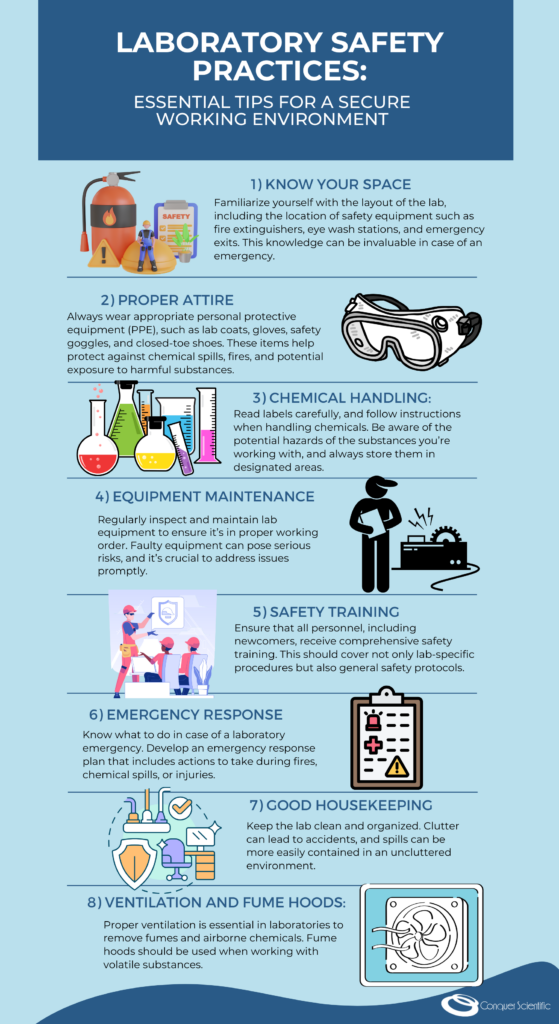
1. Personal Protective Equipment (PPE) Always use appropriate PPE:
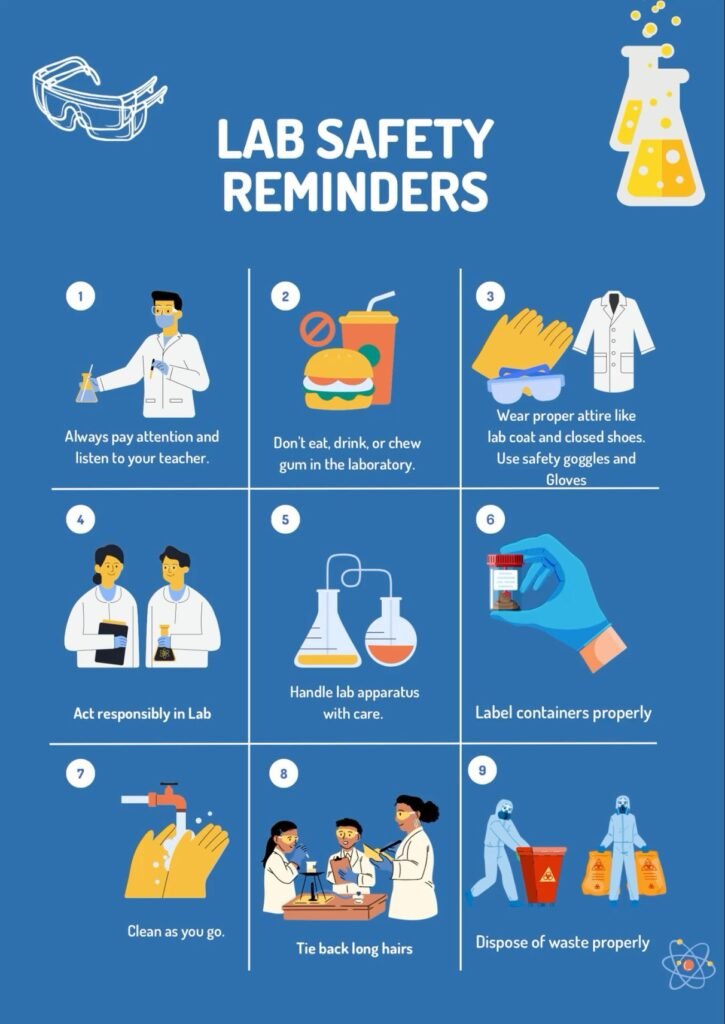
- Lab coat
- Safety goggles or face shield
- Nitrile or appropriate chemical-resistant gloves
- Closed-toe shoes
- Additional protection (respirator, apron) when required
2. Chemical Handling Procedures
- Read Safety Data Sheets (SDS) before use
- Work with small quantities when possible
- Use fume hoods for volatile or hazardous compounds
- Never eat, drink, or apply cosmetics in the lab
3. Proper Storage of Research Chemicals
- Store in cool, dry, dark conditions
- Use clearly labeled containers
- Segregate incompatible chemicals
- Follow specific storage instructions for each compound class
4. Waste Management
- Use designated waste containers
- Follow institutional hazardous waste protocols
- Never pour chemicals down the drain
5. Emergency Preparedness
- Know the location of eyewash stations, safety showers, fire extinguishers, and first aid kits
- Have spill cleanup materials readily available
- Maintain updated emergency contact information
Class-Specific Safety Considerations for Research Chemicals
Different categories require tailored approaches:
- Tryptamines & Phenethylamines: Sensitive to light and air — store properly to maintain stability
- Cannabinoids: Often lipophilic — use appropriate solvents and containment
- Dissociative Compounds: May require enhanced ventilation and skin protection
- Powdered Chemicals: Minimize airborne particles with proper hood use and masks
Understanding these nuances is part of mastering laboratory safety fundamentals for chemical research.
Documentation and Record Keeping
Maintain detailed records of:
- Chemical inventory with dates received and opened
- Batch numbers and COAs
- Usage logs
- Safety training records
- Incident reports (if any)
Good documentation supports both safety and scientific integrity.
Training and Culture of Safety
The best laboratories foster a strong safety culture by:
- Providing regular safety training
- Encouraging open discussion of safety concerns
- Leading by example from senior researchers
- Conducting periodic safety audits
Choosing High-Quality Research Chemicals Supports Safety
Using high purity research chemicals from reputable suppliers like Vylix Labs reduces risks by:
- Minimizing unknown impurities
- Providing reliable Certificates of Analysis
- Ensuring consistent behavior in experiments
- Reducing the need for excessive material handling
Common Laboratory Safety Mistakes to Avoid
- Skipping PPE
- Improper storage leading to degradation
- Working alone with hazardous materials
- Inadequate ventilation
- Poor labeling of containers
Avoiding these mistakes strengthens your laboratory safety fundamentals.

Building a Comprehensive Safety Program
A robust program includes:
- Written standard operating procedures (SOPs)
- Regular equipment maintenance
- Ongoing education
- Risk assessment for new compounds
- Collaboration with institutional safety officers
Conclusion: Safety as a Foundation for Great Research
Mastering laboratory safety fundamentals for chemical research is not just about compliance — it is about enabling better science. A safe laboratory environment allows researchers to focus fully on discovery and innovation.
At Vylix Labs, we support safe research by providing high-purity research chemicals with full documentation and professional service. We believe safety and quality go hand in hand.
Prioritize safety in your laboratory today. Browse our catalog of research chemicals or contact our team with any questions about safe handling practices.
All products are sold strictly for research and laboratory use only. Not for human or animal consumption.
FAQ – Laboratory Safety Fundamentals for Chemical Research
Q1: What is the most important laboratory safety fundamental? Consistent use of appropriate PPE and working in a properly ventilated fume hood are among the most critical practices.
Q2: How should research chemicals be stored? Store them in a cool, dry, dark place in clearly labeled containers. Always segregate incompatible chemicals and follow specific storage recommendations.
Q3: What PPE is required when handling research chemicals? At minimum: lab coat, safety goggles, chemical-resistant gloves, and closed-toe shoes. Additional PPE may be needed depending on the compound.
Q4: Why is high purity important for safety in chemical research? Higher purity reduces unknown impurities that could cause unexpected reactions or health risks.
Q5: What should I do in case of a chemical spill? Follow your lab’s spill protocol, use appropriate cleanup materials, and wear proper PPE. Report significant incidents according to institutional policy.
Q6: Where can I source high-purity research chemicals with good safety documentation? Vylix Labs provides high-purity research chemicals with full Certificates of Analysis and clear handling guidelines.