

The Difference Between Freebase, HCl, Fumarate, and Other Salt Forms
The difference between freebase HCl fumarate, and Other Salt Forms in Research Chemicals
When working with research chemicals, one of the most important concepts to understand is the difference between freebase, HCl, fumarate, and other salt forms. The form in which a compound is presented can significantly affect its stability, solubility, handling properties, and suitability for specific laboratory applications.
This comprehensive guide explains the major salt forms used in research chemicals and why they matter for scientists.
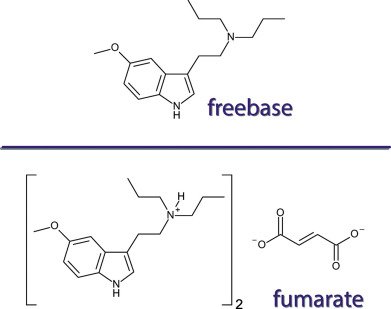
What Is a Freebase Form?
freebase vs HCl vs fumarate research chemicals: The freebase is the pure, unprotonated form of a chemical compound containing a basic nitrogen atom. In the freebase form, the molecule is not bound to any acid.
Characteristics of Freebase:
- Often oily or waxy in appearance
- Lower water solubility
- More volatile and sensitive to air oxidation
- Higher lipid solubility (can cross membranes more easily in biological models)
Many researchers prefer working with salt forms rather than freebase for practical laboratory reasons.
What Are Salt Forms?
freebase vs salt forms research chemicals: Salt forms are created when a basic research chemical reacts with an acid to form a stable ionic compound. This process is called salt formation and is extremely common in research chemicals.
The most popular salt forms include:
- Hydrochloride (HCl)
- Fumarate
- Maleate
- Tartrate
- Succinate
- Citrate
Each salt offers different advantages in terms of stability, solubility, and ease of handling.
Hydrochloride (HCl) Salt Form
HCl vs fumarate which is better: HCl salts are among the most common forms for research chemicals, especially tryptamines and phenethylamines.
Advantages of HCl salts:
- Excellent water solubility
- Generally very stable
- Easy to handle as crystalline powders
- Good shelf-life under proper storage
Disadvantages:
- Can be slightly hygroscopic (absorb moisture)
- Sometimes more acidic in solution
HCl is often the go-to salt form for many water-based laboratory experiments.
Fumarate Salt Form
fumarate salt vs hydrochloride: Fumarate salts are very popular in research chemical catalogs, particularly for tryptamines.
Advantages of Fumarate salts:
- Excellent chemical stability
- Good crystalline structure for easy weighing
- Lower hygroscopicity than HCl in many cases
- Often preferred for long-term storage
Disadvantages:
- Lower water solubility compared to HCl
- Slightly higher molecular weight due to the fumaric acid component
Fumarate forms are frequently chosen when stability during shipping and storage is a priority.
Other Common Salt Forms
freebase vs salt forms research chemicals: Maleate — Similar to fumarate but with different stability profiles. Tartrate — Often used for compounds needing specific optical properties. Succinate — Good balance of solubility and stability. Citrate — Sometimes chosen for higher solubility.
Each salt form is selected based on the base compound’s chemistry and intended research use.

Key Differences: Freebase vs HCl vs Fumarate
| Property | Freebase | HCl Salt | Fumarate Salt |
|---|---|---|---|
| Appearance | Oil / Wax | Crystalline powder | Crystalline powder |
| Water Solubility | Low | High | Moderate |
| Stability | Lower | Good | Excellent |
| Handling | Difficult | Easy | Easy |
| Storage | Sensitive | Good | Very Good |
| Common Use | Organic synthesis | Aqueous assays | Long-term research |
Understanding these differences helps researchers choose the most suitable form for their experiments.
Why Salt Forms Matter in Laboratory Research
The choice of salt form affects:
- Solubility — Critical for preparing accurate stock solutions
- Stability — Impacts how long a compound remains viable
- Dosing Accuracy — Crystalline salts are easier to weigh precisely
- Experimental Compatibility — Some assays work better with specific counterions
- Safety & Handling — Powders are generally safer than oils
How to Choose the Right Salt Form
Consider these factors when deciding fumarate salt vs hydrochloride:
- What type of experiment will you run? (aqueous vs organic solvents)
- How long do you need to store the compound?
- Do you need maximum stability or maximum solubility?
- What has been used successfully in similar published studies?
Vylix Labs clearly labels the salt form for every research chemical to help you make the right choice.
Common Questions About Salt Forms
Many researchers wonder whether one form is “better” than another. The answer is: it depends on the specific compound and your experimental goals.
Best Practices for Working with Different Salt Forms
- Always note the salt form in your lab notebook
- Adjust concentrations based on molecular weight differences
- Store according to supplier recommendations
- Use fresh solutions when possible for sensitive assays
- Document the exact form used when publishing results

The Science Behind Salt Formation
Salt formation improves many properties because the ionic bond creates a more stable crystalline lattice. This is why most commercially available research chemicals are offered as salts rather than freebase.
Conclusion: Making Informed Choices About Salt Forms
Understanding the difference between freebase, HCl, fumarate, and other salt forms is essential for successful research with chemicals. The right salt form can improve solubility, stability, handling, and overall experimental success.
At Vylix Labs, we offer research chemicals in the most suitable and stable salt forms, clearly labeled with full analytical documentation.
Ready to explore our catalog? Browse high-purity research chemicals in various salt forms today.
All products are sold strictly for research and laboratory use only. Not for human or animal consumptio