Why Quality Control Matters in Chemical Analysis
Why Quality Control Matters in Chemical Analysis: Quality control in chemical analysis is the backbone of trustworthy scientific research. In the field of research chemicals, where precision and reproducibility are essential, robust quality control processes determine the difference between reliable data and compromised results.
This guide explains why quality control matters in chemical analysis and how it directly impacts research outcomes.
What Is Quality Control in Chemical Analysis?
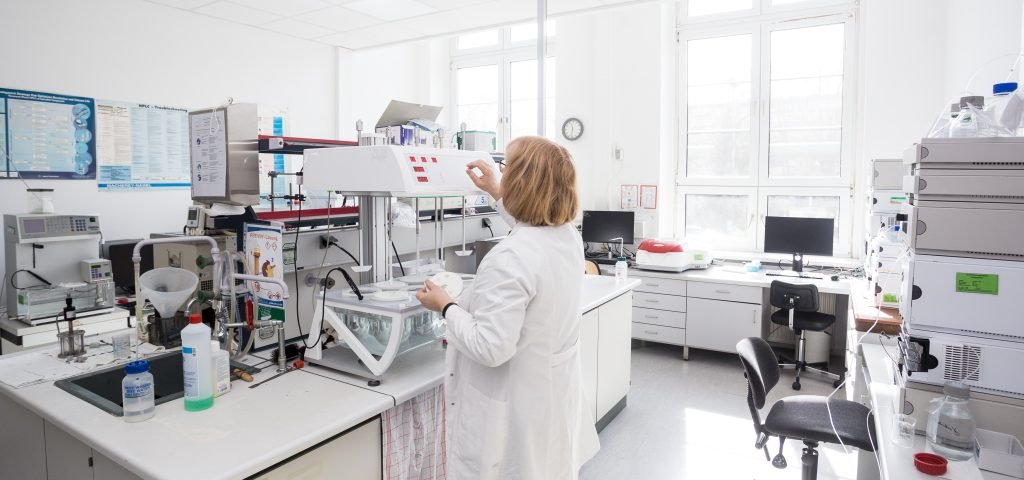
Quality control (QC) refers to the systematic processes used to ensure that research chemicals meet specified standards of identity, purity, and consistency. It includes testing, documentation, and verification at every stage — from synthesis to final product delivery.
For laboratories working with research chemicals, strong quality control in chemical analysis is non-negotiable.
Why Quality Control Matters in Chemical Analysis
Here are the main reasons quality control matters in chemical analysis:
1. Ensures Accurate Research Results Impurities or incorrect compounds can completely invalidate experimental data. Proper QC prevents this.
2. Guarantees Reproducibility Other researchers must be able to repeat experiments with the same materials. High-quality control makes this possible.
3. Protects Laboratory Safety Unknown impurities can introduce unexpected hazards or toxicological risks.
4. Maintains Scientific Integrity Published research relies on verifiable, high-quality materials. Poor QC undermines credibility.
5. Supports Regulatory Compliance Many institutions and funding bodies require documented quality control for research chemicals.
Key Elements of Strong Quality Control
Effective quality control in chemical analysis typically includes:
- Identity Verification — Confirming the correct compound using HPLC, GC-MS, NMR, etc.
- Purity Testing — Measuring the percentage of the target molecule vs. impurities.
- Batch Consistency — Ensuring every batch performs the same way.
- Stability Testing — Checking how compounds behave under different storage conditions.
- Documentation — Providing clear Certificates of Analysis (COAs) with every batch.
The Cost of Poor Quality Control
Skipping or weakening quality control can lead to:
- Wasted time and resources on failed experiments
- Compromised publications
- Safety incidents
- Loss of trust from research partners
- Regulatory issues
This is why serious researchers always prioritize suppliers with strong quality control in chemical analysis.

How Vylix Labs Approaches Quality Control
At Vylix Labs, quality control is central to everything we do:
- Multiple analytical methods (HPLC, GC-MS, etc.)
- Third-party verified testing where appropriate
- Detailed COAs with every order
- Strict sourcing standards
- Continuous monitoring of batch consistency
We understand that quality control in chemical analysis directly affects the success of your research.
Quality Control Across Different Research Chemical Classes
Different classes require specific QC focus:
- Tryptamines: Sensitive to oxidation and light
- Cannabinoids: Lipophilic nature requires special attention
- Dissociatives: Volatility and stability considerations
- Powders vs Solutions: Different handling and testing protocols
A good supplier adapts quality control to each chemical class.
Best Practices for Researchers
When evaluating quality control:
- Always request and review the COA
- Understand the analytical methods used
- Compare purity levels across suppliers
- Ask about batch testing frequency
- Verify storage and handling recommendations
The Future of Quality Control in Research Chemicals
Emerging trends include:
- Real-time analytical monitoring
- Advanced automation
- Blockchain-based traceability
- Higher purity standards (99.5%+ for certain applications)
Laboratories that embrace strong quality control will stay ahead in competitive research fields
Conclusion: Quality Control Is Essential for Great Science
Why quality control matters in chemical analysis is simple: it protects your research, your safety, and your reputation. In the world of research chemicals, cutting corners on quality is never worth the risk.
Vylix Labs is committed to the highest standards of quality control so researchers can focus on discovery with full confidence in their materials.
Ready to experience the difference strong quality control makes? Browse our selection of high-purity research chemicals today.
All products are sold strictly for research and laboratory use only. Not for human or animal consumption.
FAQ – Why Quality Control Matters in Chemical Analysis
Q1: What is quality control in chemical analysis? Quality control is the process of testing and verifying that research chemicals meet strict standards for purity, identity, and consistency.
Q2: Why is quality control important for research chemicals? It ensures accurate, reproducible results, protects researcher safety, and maintains scientific credibility.
Q3: What should I look for in a Certificate of Analysis (COA)? Look for purity percentage, testing methods (HPLC, GC-MS, etc.), impurity profile, batch number, and analysis date.
Q4: Can poor quality control affect experimental results? Yes. Impurities can interfere with receptor binding, produce false signals, or cause inconsistent data.
Q5: How does Vylix Labs ensure quality control? We use multiple analytical techniques, provide detailed COAs, and maintain strict sourcing and testing standards for every batch.
Q6: What is the minimum purity level recommended for research chemicals? Most researchers look for ≥98% purity, with many advanced studies preferring ≥99%.