
Understanding Organic Functional Groups
Understanding Organic Functional Groups in Research Chemicals
Organic functional groups are the key structural features that determine the chemical and biological properties of research chemicals. Understanding these groups is fundamental for researchers who want to predict how compounds will behave in laboratory experiments.
This comprehensive guide explores organic functional groups and their critical role in research chemicals
What Are Organic Functional Groups?
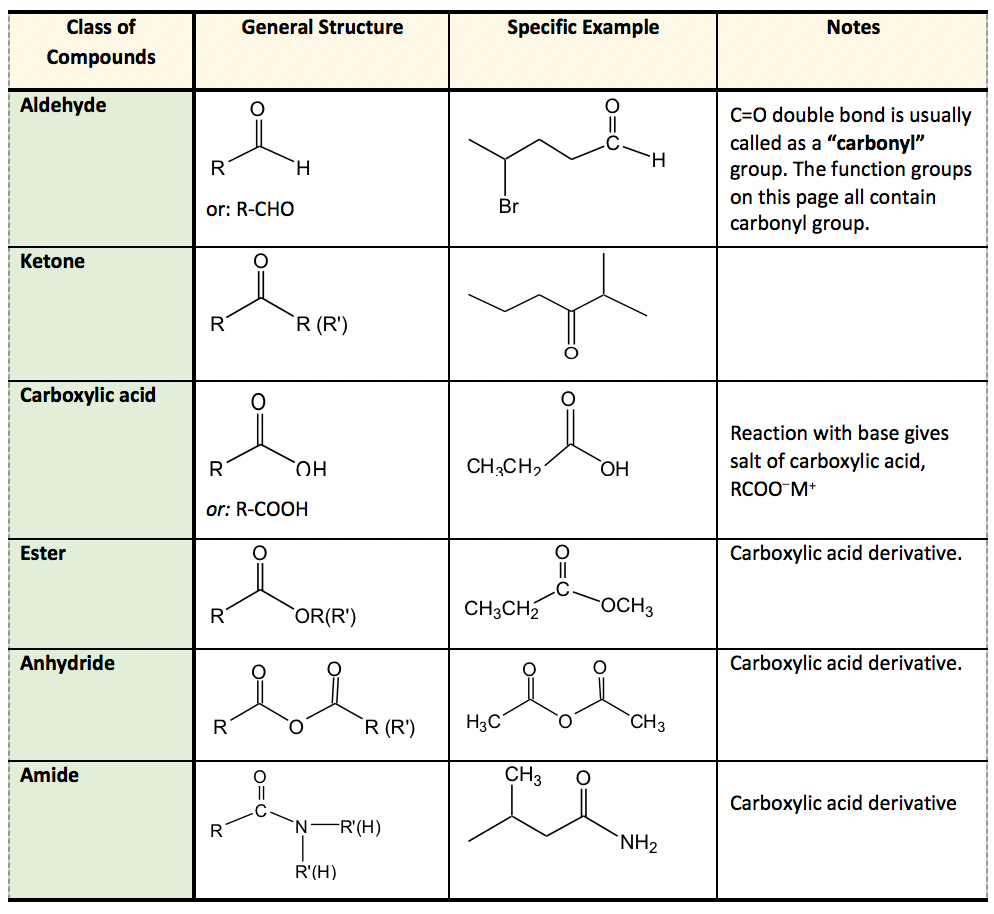
Organic functional groups are specific arrangements of atoms within a molecule that are responsible for its characteristic chemical reactions and physical properties. These groups act as the “active sites” of molecules and largely determine how a compound will interact with biological targets or behave in chemical reactions.
Common examples include:
- Amines
- Hydroxyl groups
- Carbonyl groups
- Aromatic rings
- Heterocycles (indole, furan, etc.)
Why Organic Functional Groups Matter in Research Chemicals
Organic functional groups directly influence:
- Receptor binding affinity
- Solubility and membrane permeability
- Metabolic stability
- Chemical reactivity
- Stability during storage
For researchers, a solid understanding of functional groups helps in selecting the right compounds and interpreting experimental results.
Major Functional Groups in Research Chemicals
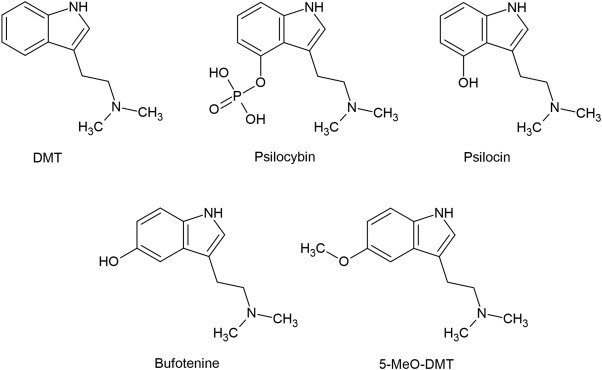
1. Amine Groups (-NH2, -NHR, -NR2) Extremely common in tryptamines and phenethylamines. They are basic and often protonated to form salt forms (HCl, fumarate).
2. Hydroxyl Groups (-OH) Found in 4-HO tryptamines and many cannabinoid analogs. They increase polarity and can participate in hydrogen bonding.
3. Aromatic Rings Provide rigidity and π-stacking interactions. The indole ring in tryptamines is a classic example.
4. Ether and Thioether Groups Affect lipophilicity and metabolic pathways.
5. Halogens (F, Cl, Br, I) Often used to modify potency, metabolic stability, or binding selectivity.
6. Carbonyl Groups (Ketones, Aldehydes) Important in certain synthetic intermediates and active analogs.
How Functional Groups Affect Research Applications
Receptor Interactions Specific functional groups determine which receptors a molecule binds to and with what strength. For example, the indole NH in tryptamines is often crucial for 5-HT2A receptor activity.
Solubility and Formulation Polar functional groups increase water solubility, while lipophilic groups improve membrane crossing in cellular assays.
Metabolic Stability Certain groups are more susceptible to enzymatic degradation. Researchers often modify functional groups to create more stable analogs.
Structure-Activity Relationships (SAR)
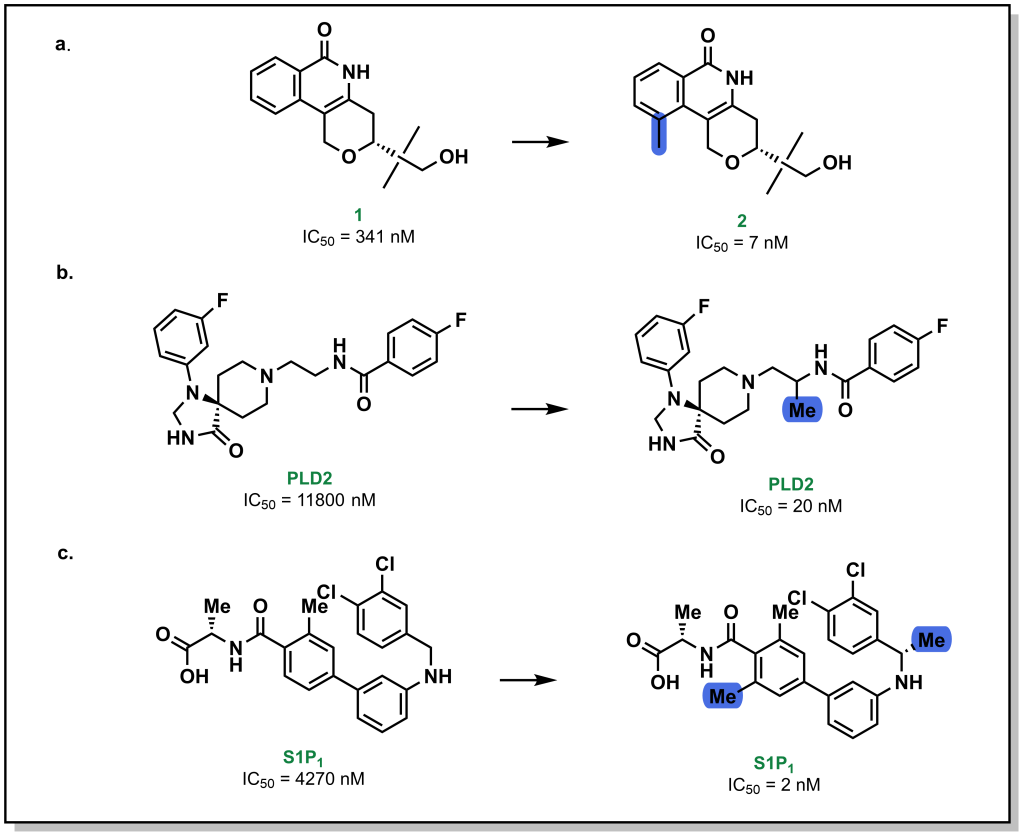
Understanding organic functional groups is central to SAR studies, where researchers systematically change one group at a time to see how it affects biological activity. This approach has driven much of modern medicinal chemistry.
Salt Forms and Functional Groups
The basic nitrogen in many research chemicals is often converted into salt forms (HCl, fumarate, etc.). This modification dramatically changes solubility and stability while keeping the core functional groups intact.
Practical Tips for Researchers
- Learn to recognize common functional groups at a glance
- Use functional group modifications to tune properties
- Document functional group patterns in your lab notebook
- Consider how salt forms interact with the parent functional groups
Vylix Labs clearly identifies key functional groups and salt forms for every research chemical to help researchers make informed choices.
The Future of Functional Group Research
Advances in computational chemistry and AI are making it easier to predict how new functional group combinations will behave. This is accelerating the discovery of novel research chemicals with desired properties.
Conclusion: Mastering Organic Functional Groups for Better Research
A deep understanding of organic functional groups is one of the most valuable skills for anyone working with research chemicals. These groups determine reactivity, binding, stability, and overall utility in scientific studies.
At Vylix Labs, we are committed to providing high-purity research chemicals with clear structural information so researchers can work with confidence.
Ready to explore? Browse our catalog of research chemicals featuring diverse organic functional groups.
All products are sold strictly for research and laboratory use only. Not for human or animal consumption.
FAQ – Understanding Organic Functional Groups
Q1: What are organic functional groups? Organic functional groups are specific atom arrangements in molecules that determine their chemical reactivity and biological properties.
Q2: Why are functional groups important in research chemicals? They control receptor binding, solubility, stability, and overall behavior in laboratory experiments.
Q3: What is the most common functional group in tryptamines? The indole ring system combined with the ethylamine side chain (amine group) is the defining feature.
Q4: How do functional groups affect salt formation? Basic functional groups like amines are often converted to HCl or fumarate salts to improve stability and solubility.
Q5: Can changing one functional group dramatically change a compound’s effects? Yes. Small modifications to functional groups can significantly alter binding affinity, potency, and selectivity.
Q6: Where can I find research chemicals with clear functional group documentation? Vylix Labs provides detailed product information including key functional groups and salt forms for every compound.